


One of the questions I hear most often is, “How’s the market?”
The answer today is more nuanced than a simple “good” or “bad.” In fact, one of the most interesting trends we’re seeing is how differently our local markets are performing.
At first glance, both Collingwood and The Blue Mountains remain buyer-favoured markets. Inventory is elevated, buyers have more choice than they’ve had in years, and properties are generally taking longer to sell. But when you look beneath the surface, two very different stories begin to emerge.
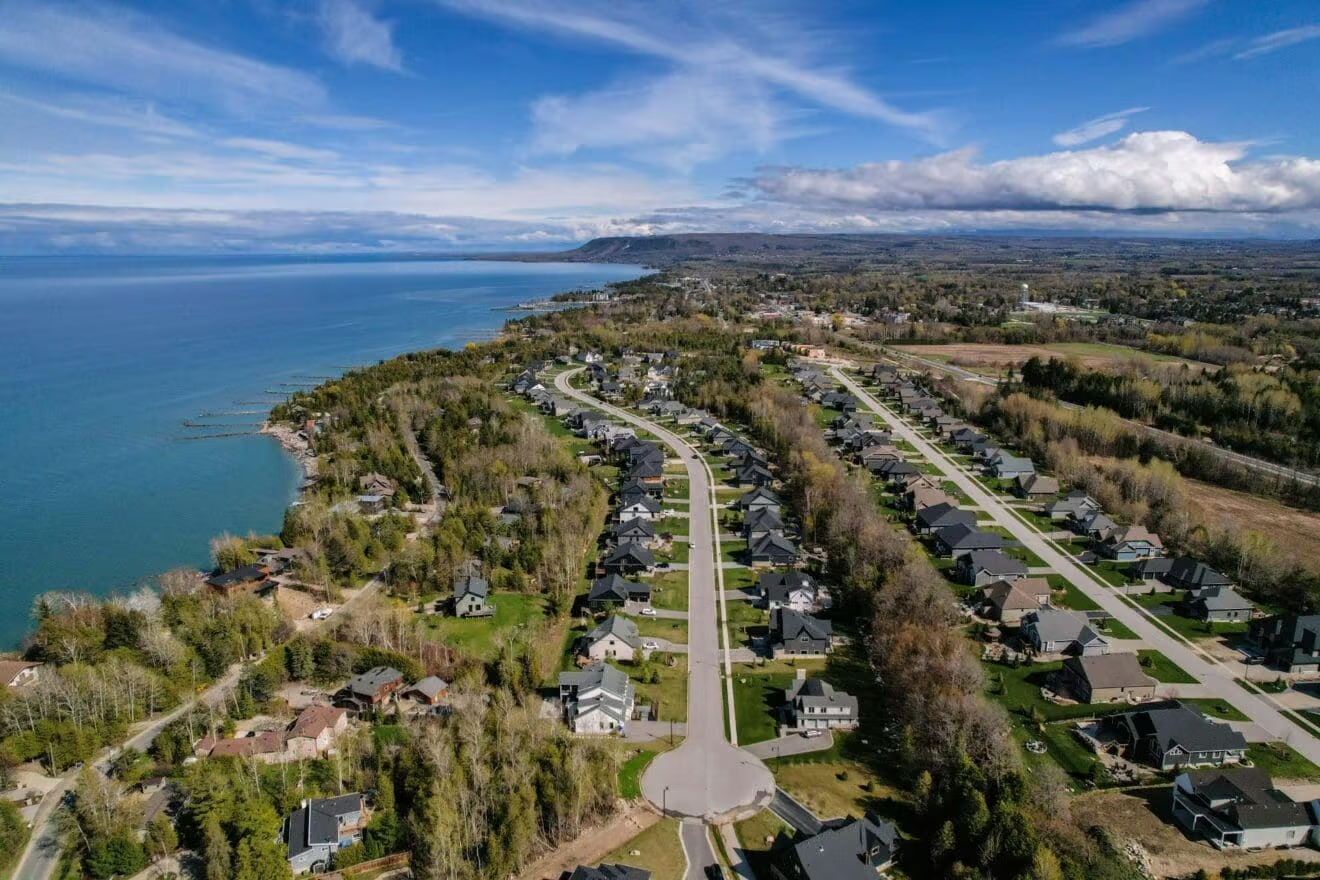
Collingwood continues to demonstrate remarkable resilience. While sales are slightly behind last year’s pace, inventory remains relatively balanced at approximately seven months. The market is supported by a broad base of buyers, including young families, retirees, downsizers, and those relocating permanently to the area. These are often needs-based purchases rather than discretionary ones, which helps maintain a steadier level of demand even during periods of economic uncertainty.
The Blue Mountains presents a different picture.
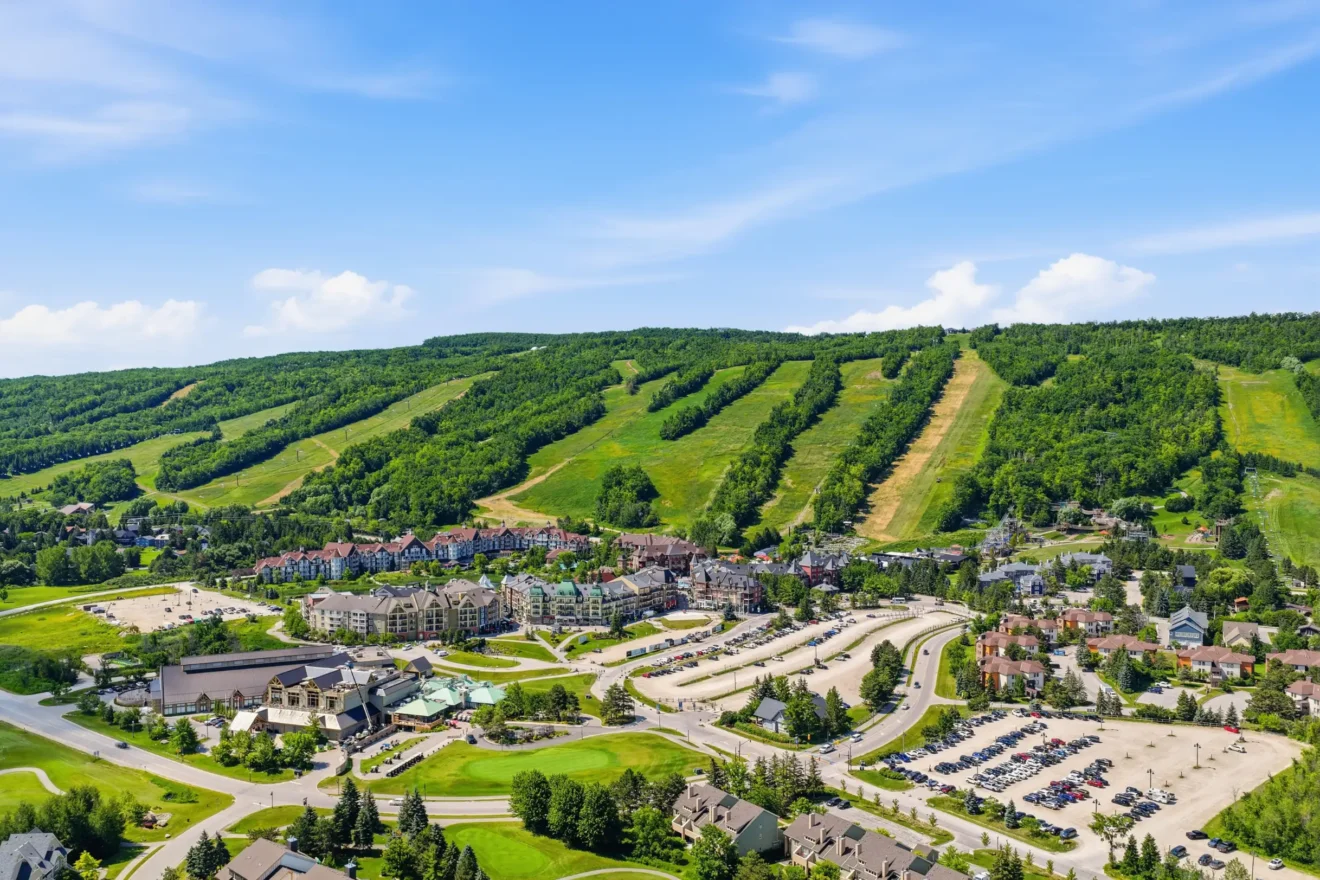
Interestingly, year-to-date sales are actually marginally ahead of last year, a positive sign that buyers are still active. However, the market continues to carry approximately 12.5 months of inventory, nearly double that of Collingwood. That imbalance means buyers have significantly more choice and, consequently, considerably more negotiating power.
The reason for this divergence is not particularly surprising.
Much of The Blue Mountains market is driven by discretionary purchases. Recreational properties, ski chalets, retirement homes, and luxury second residences are often purchases that buyers can postpone if confidence weakens. When economic headlines are dominated by discussions of recession, inflation, trade negotiations, and interest rates, even financially capable buyers tend to become more cautious. The desire to purchase remains, but the urgency often disappears.
This is exactly what we’re seeing today.
The market is certainly not frozen. Quality properties continue to sell. However, buyers are taking more time, comparing more options, and negotiating more aggressively than they have in recent years.
For sellers, this reinforces an important lesson. Today’s market rewards realism. Strategic pricing, exceptional presentation, and thoughtful marketing have become more important than ever. Buyers have alternatives, and they are not afraid to wait for the right opportunity.
There are encouraging signs as well. New listings have slowed compared to last year in both markets, which should gradually help reduce excess inventory if demand remains stable. We are also beginning to see improved stability in interest rate expectations, reducing one of the largest sources of uncertainty that has weighed on buyer confidence over the past two years.
The broader takeaway is that our market is not declining. It is evolving.
The extraordinary seller’s market of 2021 and early 2022 has been replaced by a more balanced environment where fundamentals once again matter. Buyers have regained negotiating power, but well-priced, well-presented homes continue to attract attention and achieve successful sales.
As we move through the second half of the year, I expect this trend to continue. Collingwood should remain the more resilient of our local markets, while The Blue Mountains may take longer to work through its elevated inventory. For buyers, this creates opportunities that simply did not exist a few years ago. For sellers, success will depend less on timing the market and more on understanding it.
In today’s environment, strategy has become the greatest competitive advantage.

Book a Consultation with Us
Thinking about your next home sale or purchase? Get the process started and reach out to our team today.